注文(moq):
1
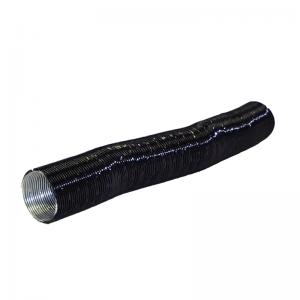
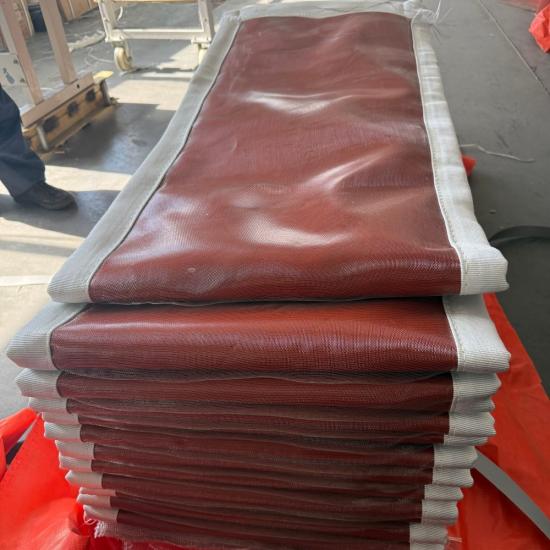
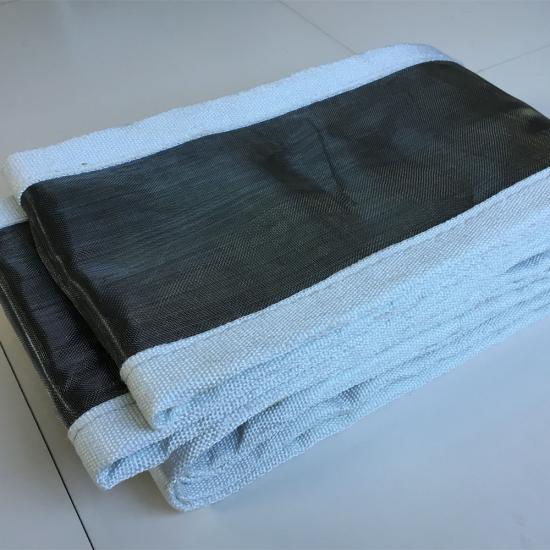
BSTFLEX 非金属ファブリック伸縮継手これは、熱膨張、振動、機器の動き、または設置位置のずれに対応しながら、隣接するダクトや機器に過剰な負荷を伝達することなく、産業用ダクト、温風、排気、および排煙システム向けに設計された、カスタム設計の柔軟なコネクタです。
硬質金属部品とは異なり、ファブリック伸縮継手動作温度、ガス組成、圧力条件、動作要件、および周囲環境に応じて選択された、1つまたは複数の柔軟な繊維、コーティングされた布地、シーリング層、および断熱層を使用する。この柔軟な要素は、ダクトの2つのセクション間の接続を制御しながら、軸方向、横方向、および角度方向の変位に対応できる。
BSTFLEXは、丸型、長方形、正方形、および用途に応じた製品を製造しています。非金属製伸縮継手OEM機器メーカー、ダクト工事請負業者、発電システム、セメント工場、製鉄設備、工業炉、換気システム、その他高温プロセス設備向け。
| 製品 | 非金属製ファブリック伸縮継手 |
| 別名 | 布製伸縮継手、布製ダクト伸縮継手、複合布製伸縮継手、非金属製補償器 |
| 工事 | 単層または多層の柔軟な構造 |
| 形状 | 円形、長方形、正方形、およびカスタム形状 |
| 動き | 軸方向、横方向、角度方向、および複合的な動き |
| 一般的なメディア | 熱風、排気ガス、煙道ガス、工業プロセスガス |
| 材料 | 温度、媒体、化学物質への曝露、摩耗、機械的要件に応じて選定されます。 |
| サイズ | 図面または設置寸法に基づいて特注製造 |
| 応用 | 工業用ダクト、排気装置、炉、ボイラー、ファン、およびプロセス空気システム |
A非金属製ファブリック伸縮継手フレキシブル接続部とは、工業用ダクトや機器の各セクション間に設置される接続部材で、システム内にストレスを生じさせる動きを補償する役割を果たします。熱膨張は動きの最も一般的な原因の一つですが、振動、機器の変位、製造公差、構造物の動きなども制御する必要がある場合があります。
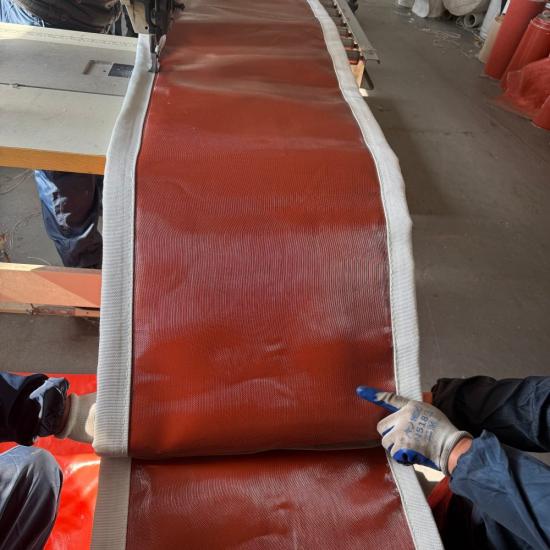
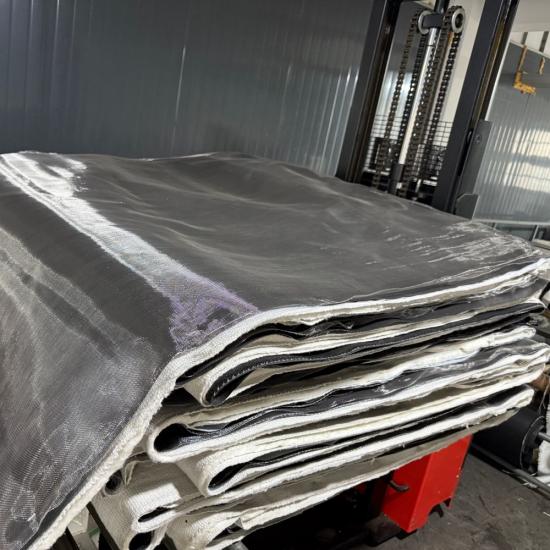
柔軟な本体は通常、成形された金属製ベローズではなく、特殊加工された繊維とコーティングされた布地の層から製造されます。使用条件に応じて、構造にはガスシール膜、補強布、断熱材、および内部保護層が組み込まれる場合があります。
この構造はファブリック伸縮継手特に、大きなダクト断面、高温の気体媒体、および複数の方向への移動を必要とする用途に適しています。
工業用ダクトシステムは、運転温度の変化に応じて膨張・収縮します。この動きが完全に抑制されると、熱応力がダクト壁、フランジ、ファン、機器接続部、および支持構造物に伝達される可能性があります。
柔軟なファブリックダクト伸縮継手隣接するセクション間に制御された動きのゾーンを作り出します。ダクトが膨張、収縮、または移動しても、柔軟なセクションの形状が変化することで、変位全体が剛性部品に集中するのを防ぎます。
伸縮継手は、継手の形状とシステム設計に応じて、以下の要件を満たすことができます。
あらゆる産業用伸縮継手に適した単一のファブリック構造は存在しません。信頼性の高い設計は、実際の稼働条件に基づいて行う必要があります。
多層システムは、それぞれ異なるタスクを実行する複数の機能層を含む場合があります。
ガスシール層はプロセス媒体の封じ込めに役立ち、温度、ガス組成、湿度、化学物質への曝露、圧力条件に応じて選択されます。用途によっては、コーティングされたグラスファイバーまたはフッ素樹脂系材料が検討される場合があります。
補強層は、柔軟な部材に寸法安定性と機械的支持力を提供する。必要な機械的特性および熱特性に応じて、織布ガラス繊維やその他の工業用繊維材料を選択できる。
高温システムでは、外部シール材に到達する温度を下げるために断熱層が必要となる場合があります。断熱材の厚さと材質は、ガス温度、外部温度制限、および接合部の形状に応じて設計する必要があります。
伸縮継手が高速ガス流、微粒子、または研磨性媒体にさらされる場合、可撓性部材への直接的な衝撃を軽減するために、内部保護システムまたはフローライナーが必要となる場合があります。
材料の選択は、非金属製伸縮継手設計BSTFLEXは幅広い高温対応生地さらに、コーティングされた工業用繊維を用いることで、柔軟な構造を様々な産業環境に適応させることが可能となる。
| 材質の種類 | 典型的な機能 | 選考上の考慮事項 |
|---|---|---|
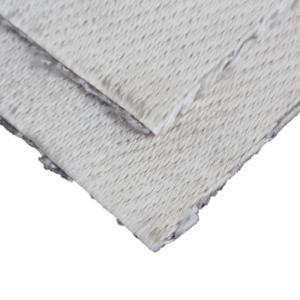
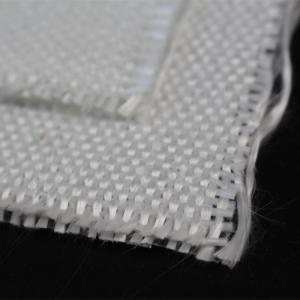
| グラスファイバー生地 | Reinforcement and thermal-resistant textile layer | Temperature, weight, weave and mechanical strength |
| Silicone Coated Fiberglass | Flexible outer or sealing layer | Temperature, weather resistance, flexibility and environment |
| PTFE Coated Fabric | Gas sealing and chemical-resistant layer | Chemical compatibility, temperature and process media |
| Silica Fabric | High-temperature thermal protection layer | Temperature exposure and insulation requirement |
| Insulation Materials | Reduction of temperature through the joint construction | Operating temperature and required external surface temperature |
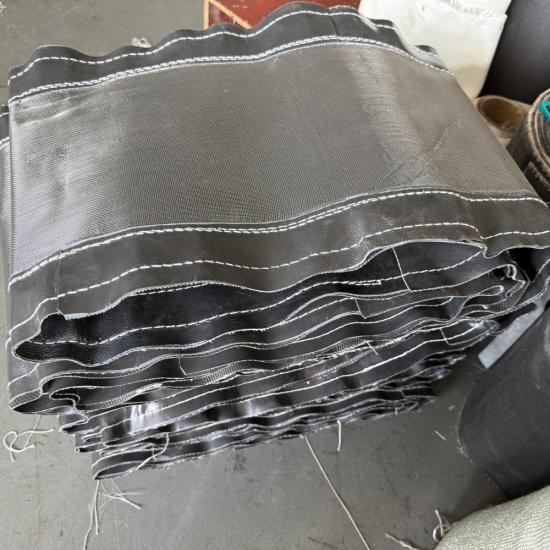
| Metal Mesh or Internal Liner | Mechanical or flow protection where required | Gas velocity, abrasion, particles and installation geometry |
For particularly demanding thermal environments, BSTFLEX can evaluate high-silica textile solutions such as96% high temperature silica fabricas part of the overall thermal protection system where technically appropriate.
The final material combination should always be determined from actual application data rather than temperature alone.
Ahigh temperature fabric expansion jointis not defined by one universal maximum temperature. The permissible operating temperature depends on the complete joint construction, including the hot-face protection, insulation package, reinforcement fabric, gas seal membrane, external cover and the temperature distribution through those layers.
For this reason, BSTFLEX evaluates both process temperature and the temperature expected at individual layers of the expansion joint. This approach allows the materials to be selected for their actual operating environment rather than relying on a single generic temperature rating.
When requesting a high-temperature joint, provide the normal operating temperature, maximum or upset temperature, exposure duration and process medium wherever possible.
BSTFLEX manufactures expansion joints according to the shape and dimensions of the customer's ducting system.
Arectangular fabric expansion jointis commonly used on large industrial ductwork, boiler systems, air-handling equipment, furnace connections and flue-gas ducts. Corner geometry, movement distribution and attachment design require particular attention because stress is not distributed in the same way as on a circular joint.
Round and circular fabric expansion joints are suitable for cylindrical duct systems, fan connections, exhaust lines and process-air installations. Diameter, face-to-face length and movement requirements can be manufactured according to the installation.
Non-standard shapes, transitions and asymmetric configurations can be evaluated when standard round or rectangular joints cannot match existing equipment.
Different attachment arrangements can be supplied depending on the duct design and replacement requirements.
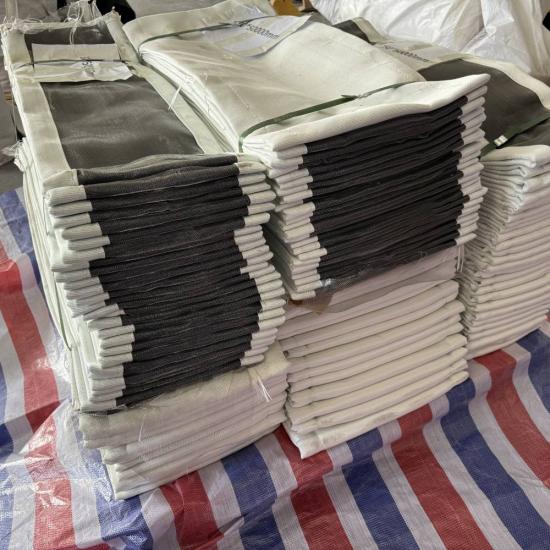
Belt-type fabric expansion jointsuse a flexible belt attached to mating metalwork and are suitable for many large industrial duct applications.
Flanged fabric expansion jointscan be manufactured as complete assemblies where the flexible element, insulation components and supporting metalwork are supplied as an integrated unit.
For replacement projects, BSTFLEX can manufacture according to customer drawings, dimensional records or available sample information.
BSTFLEXnon metallic fabric expansion jointscan be engineered for a broad range of hot-air and process-gas ducting systems.
Fabric joints can be used in boiler ducting, flue-gas handling systems, fan connections and other large gas-transport ducts where thermal movement and vibration need to be isolated.
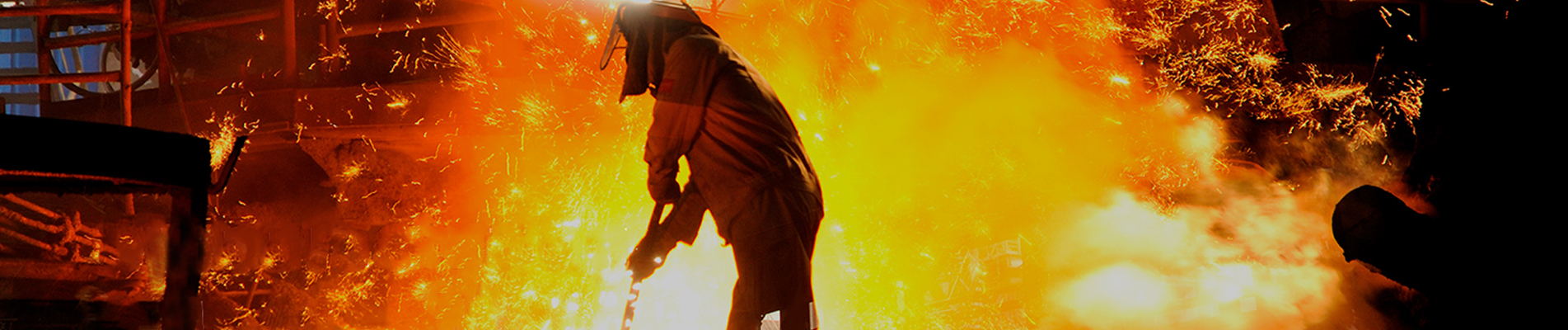
Cement production involves large ductwork exposed to heat, dust and continuous equipment movement. Expansion joints may be used around kiln-related ducting, process-air systems, fans and gas-handling equipment.
Furnace exhaust, hot-air ducts and process ventilation systems may require flexible connections capable of accommodating thermal growth while operating around demanding high-temperature equipment.
Where process gases contain corrosive constituents, joint materials should be selected according to chemical compatibility as well as temperature.
Fabric joints can compensate for expansion between heated equipment and downstream ductwork while helping isolate movement and vibration.
Flexible expansion joints can reduce the transmission of mechanical vibration between fans, blowers and rigid ducting.
High-temperature exhaust and hot-gas systems often require a flexible transition capable of accommodating repeated thermal cycles and installation movement.
| Design Factor | Fabric Expansion Joint | Metal Expansion Joint |
|---|---|---|
| Flexible Element | Technical fabric or composite textile construction | Formed metallic bellows |
| Typical System | Industrial ducting and gaseous-media systems | Pipe and process systems including higher-pressure service |
| Large Cross Sections | Well suited to large duct dimensions | Possible but design becomes more complex |
| Multidirectional Movement | Can accommodate axial, lateral and angular movement | Depends strongly on bellows configuration |
| Vibration Isolation | Good flexibility for fan and duct connections | Application dependent |
| Material Selection | Composite layers can be selected for thermal and chemical conditions | Determined mainly by metal alloy and bellows design |
The correct choice depends on pressure, temperature, process medium, duct geometry, required movement and applicable engineering standards. Fabric and metallic expansion joints should therefore not be treated as universally interchangeable products.
Selecting an expansion joint only by duct size or maximum temperature is not sufficient. Several operating parameters interact with each other and influence the appropriate construction.
The following information should be evaluated:
Providing this information allows the flexible element and supporting components to be selected around the real service conditions.
For faster engineering evaluation and quotation, send as much of the following information as available:
| Duct Size | Diameter or width × height |
| Joint Shape | Round, rectangular, square or custom |
| Installation Length | Face-to-face dimension |
| Operating Temperature | Normal continuous temperature |
| Maximum Temperature | Maximum or upset temperature and duration |
| Pressure | Normal and design pressure |
| Process Medium | Air, flue gas, exhaust gas or other process gas |
| Axial Movement | Compression and extension |
| Lateral Movement | Required offset movement |
| Angular Movement | Required angular displacement if applicable |
| Environment | Indoor, outdoor, chemical, dusty, wet or abrasive |
| Drawing | PDF, CAD drawing, dimensional sketch or existing joint details |
| Quantity | Prototype, replacement quantity or production requirement |
Industrial expansion joints are frequently project-specific components rather than standard catalogue parts. BSTFLEX supports customized manufacturing according to drawings, dimensional requirements and operating conditions.
Custom options may include:
Because BSTFLEX also works directly with thermal protection textiles and coated high-temperature fabrics, material construction can be evaluated as part of the expansion joint design instead of treating the flexible element as a generic component.
BSTFLEX focuses on engineered thermal protection and technical textile products for industrial applications. Our manufacturing capabilities cover high-temperature woven fabrics, coated fabrics, insulation materials and fabricated thermal components, providing a practical material base for customfabric expansion jointprojects.
A non metallic expansion joint is a flexible connection used primarily in ducting and gaseous-media systems to accommodate thermal expansion, vibration, misalignment and multidirectional movement. Its flexible element is normally manufactured from technical fabrics, coated textiles, insulation and other non-metallic materials selected according to the operating environment.
A fabric expansion joint uses a flexible textile or composite membrane, while a metallic expansion joint normally uses formed metal bellows. Fabric joints are widely used on large industrial ducts and gas-handling systems, while metallic bellows are common in piping and applications where system pressure or process requirements favor metallic construction.
Yes. Properly designed fabric expansion joints can accommodate axial, lateral and angular movement as well as combinations of these movements. The required movements must be provided during design so the joint geometry can be selected correctly.
There is no single temperature rating for every fabric expansion joint. Temperature capability depends on the flexible membrane, insulation package, hot-face protection, sealing material and overall joint construction. BSTFLEX selects the material system according to the normal operating temperature, maximum temperature and exposure conditions.
Depending on the application, materials may include fiberglass fabric, silicone-coated fiberglass, PTFE-coated fabric, silica fabric, insulation materials and metallic protective components. Each layer is selected according to its specific function.
Yes. Fabric expansion joints are widely applicable to industrial flue-gas and hot-gas ducting when the construction is engineered for the process temperature, chemical composition, moisture, pressure, gas velocity and movement requirements.
Yes. BSTFLEX manufactures rectangular, round, square and other custom configurations according to duct dimensions and installation requirements.
In many cases, yes. Dimensional measurements, photographs, operating conditions and information from the existing expansion joint can be used for an initial evaluation. A complete drawing or physical sample provides additional information when available.
The most useful information includes duct dimensions, joint shape, face-to-face length, operating and maximum temperature, pressure, process medium, axial movement, lateral movement, angular movement, gas velocity, chemical exposure, flange arrangement and required quantity. Drawings are strongly recommended where available.
交換用伸縮継手を調達する場合、または新しい産業用ダクトシステムを開発する場合は、図面と運転条件をBSTFLEXまでお送りください。弊社のチームが、お客様の用途に必要な形状、寸法、柔軟性のある材料、断熱構造、および動作要件を評価いたします。
お見積もりをご希望の場合は、以下の情報をご提供ください。ダクトの寸法、温度、圧力、プロセス媒体、動作要件、設置長さ、数量、および利用可能な図面。
質問や提案がある場合は、私たちにメッセージを残してください、私たちはできるだけ早く返信します!

 English
 français
 Deutsch
 русский
 italiano
 español
 português
 Nederlands
 العربية
 한국의
한국의 Türkçe
 Polski
 Tiếng Việt
 slovenský
 Indonesia