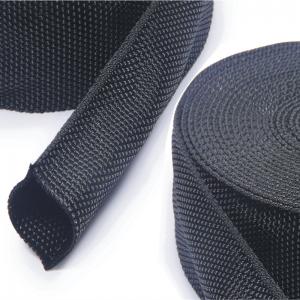
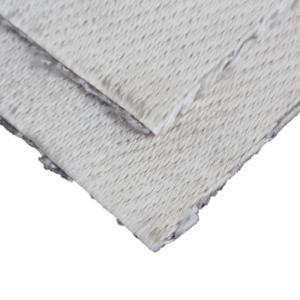
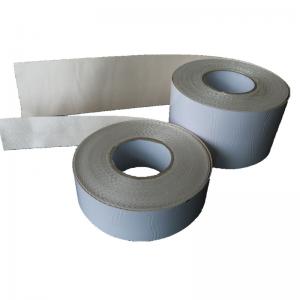
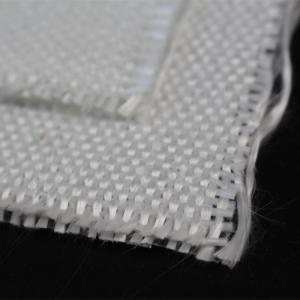
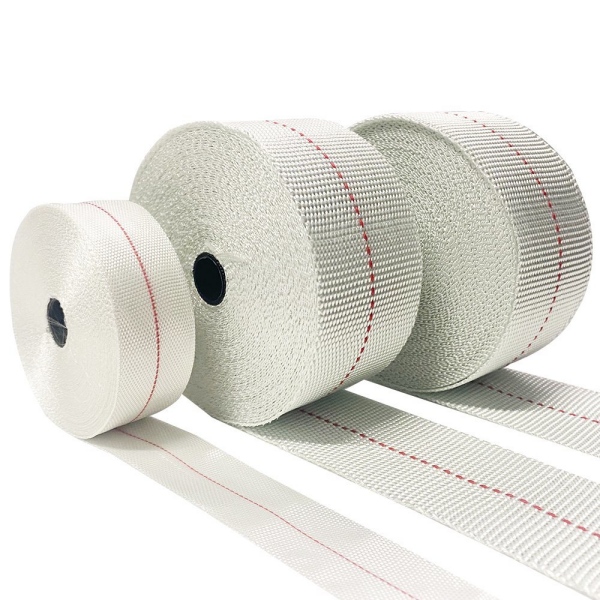
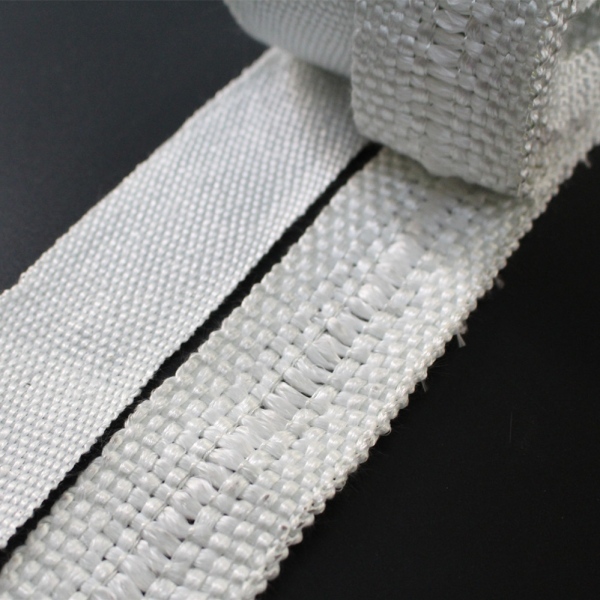
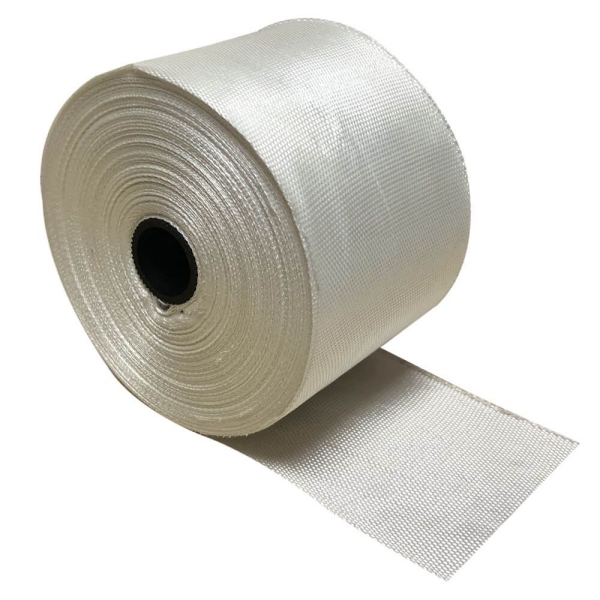
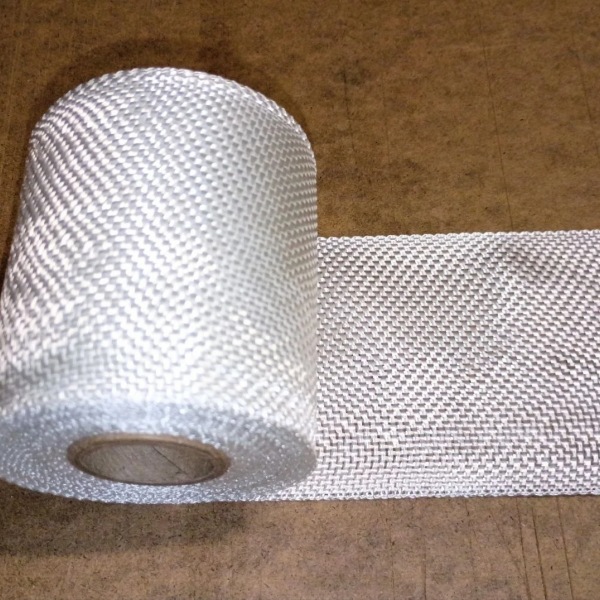
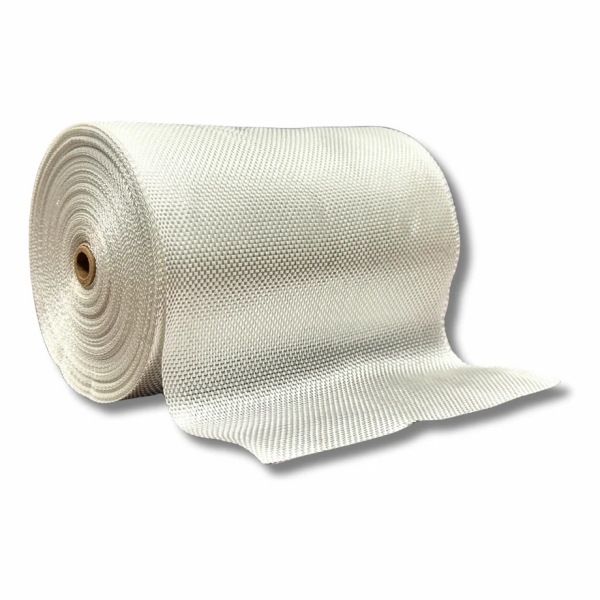
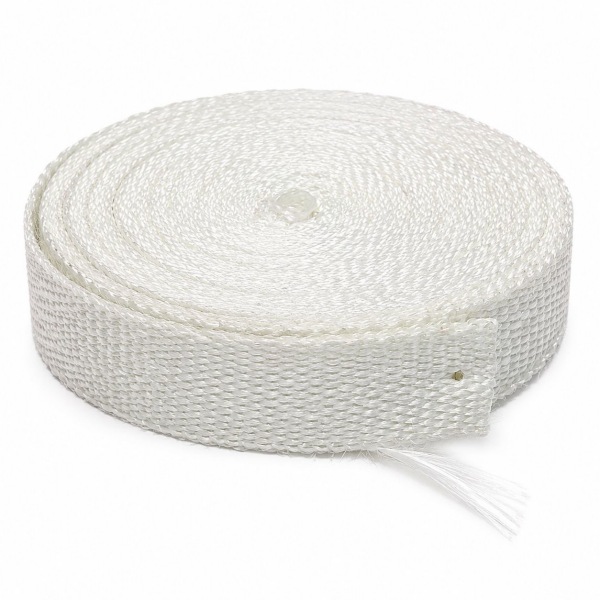
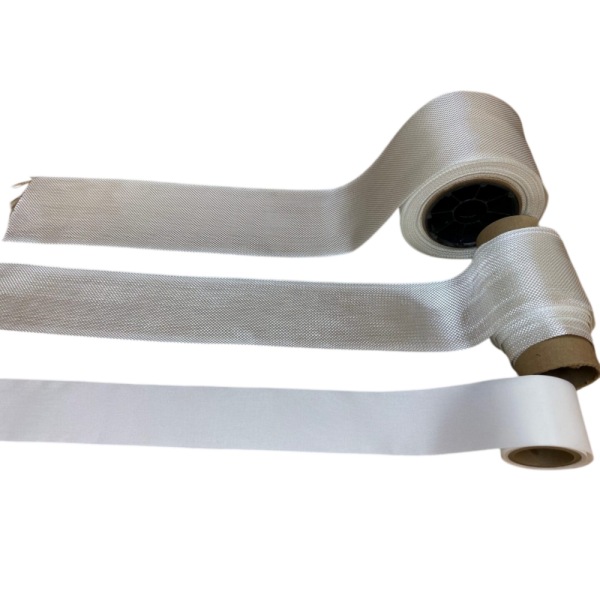
Woven fiberglass insulation tape is a thermal textile used for wrapping industrial pipework and local equipment details. Selecting it for a pipe installation means matching the construction, service conditions, width, overlap and fixing method. A description such as “50 mm heat-resistant tape” leaves too much of the installation undefined.
This guide explains how to turn that description into a workable specification for industrial purchasing and maintenance. For the textile construction and available roll dimensions, see the BSTFLEX woven fiberglass insulation tape product page.
Start with the job the tape must do
Decide whether the project calls for local insulation on a hot pipe, protection of a component exposed to an external heat source, or a wrapping layer within a larger insulation assembly. These are different design tasks, even when the material looks similar.
Where heat-loss control or a maximum outer surface temperature is specified, evaluate the complete insulation system. The pipe temperature, diameter, insulation thickness, surroundings and outer covering all matter. A tape's service-temperature limit does not tell you how cool the finished surface will be.
Also identify exactly what is being purchased. This article concerns woven, texturized fiberglass tape. Do not substitute an open-mesh reinforcement strip or a different lagging fabric solely because its description also contains the words “glass tape.”
Match width and thickness to the installation
Measure the outside diameter where the tape will sit. If it is being applied over an existing insulation layer, use that layer's outside diameter rather than the nominal pipe size. Record nearby brackets, bends and access restrictions before selecting the roll width.
| Installation detail | What to check before selecting the tape |
|---|---|
| Straight, accessible pipe | Compare practical tape widths and the overlap required. A wider strip can reduce the number of turns, provided it lies evenly. |
| Tight bends or short transitions | Trial-fit a narrower strip where a wider one wrinkles or leaves uneven coverage. Include the extra handling and material allowance. |
| Limited clearance | Check the finished build-up, including overlapping plies and fixings. Nominal single-ply thickness is not the installed thickness. |
| Recurring maintenance access | Define where wrapping must stop and how it will be removed. Keep inspection points and required identification accessible. |
Width governs coverage and handling; thickness contributes to the installed build-up. Neither should be chosen independently of the wrapping pattern. Approve the fit on a representative section before placing a repeat production order.
Specify overlap before calculating roll quantity
Overlap is the part of each turn that covers the preceding turn. At 50% overlap, half the tape width lies over the previous turn. In an ideal, uniform wrap, this gives approximately two plies over most of the covered area, excluding starts, ends and transitions.
BSTFLEX's woven fiberglass tape product page describes a 50% overlap arrangement. Treat that as an installation detail to confirm against the project, not a universal rule that proves the required insulation performance.
Illustrative quantity estimate: a straight pipe section
Assume a 60 mm outside diameter, a 1 m wrapping length, 50 mm tape width and 50% overlap. For preliminary planning, divide the cylindrical surface area by the tape width that contributes new coverage:
Tape length ≈ π × wrapped diameter × pipe length ÷ [tape width × (1 − overlap fraction)]
Using metres throughout: 3.1416 × 0.060 × 1.0 ÷ [0.050 × 0.50] ≈ 7.54 m of tape.
This is a geometric estimate for one overlapping wrapping pass, not a tested thermal design. It excludes end securing, bends, cutting waste and the increase in circumference from material build-up. Additional complete passes require additional material. Confirm the final allowance with a trial installation.
This calculation explains why one metre of pipe needs substantially more than one metre of fiberglass lagging tape. Quoting only the pipe-run length can lead to an incorrect order quantity.
Separate textile temperature limits from adhesive performance
Ask for the continuous service rating of the exact tape construction, together with any conditions attached to that rating. Record short-duration peaks separately. Do not use a melting-point figure or a temperature quoted for another fiberglass product as the operating limit for the selected tape.
For an adhesive-backed version, specify the adhesive as a separate requirement. Is it needed only to hold the strip in position during assembly, or must it maintain a bond during operation? Confirm the answer with the supplier before relying on the backing as the permanent fixing.
A higher-temperature fiber does not automatically make its adhesive suitable for the same conditions. Likewise, adding layers does not authorize operating the material above its confirmed service limit.
Plan securement and maintenance access
Use the equipment's approved maintenance procedure and release the line for safe work before installation. Follow the selected product's handling instructions. Trial-fit the tape around the most difficult bend or bracket before cutting the full batch.
For mechanically retained wrapping, specify compatible bands, ties or other approved fixings that hold the tape without damaging the component underneath. Adhesive positioning and mechanical retention are different functions; the purchasing specification should say which is required.
Check for gaps, folded edges, loose ends and excessive local build-up. After commissioning under the approved procedure, arrange inspection at a safe maintenance opportunity to confirm that the wrapping and fixings remain in place.
Write a quotation request that can be repeated
A useful enquiry gives both the required product and its installation context. Include the tape width, nominal thickness, roll or cut length, total quantity, wrapped diameter, service temperatures and proposed overlap. State whether the tape is plain or adhesive-backed, and include the fixing arrangement.
For recurring equipment production, add a drawing or approved sample reference, dimensional tolerances and packaging requirements. For a replacement, include the previous specification and photographs of the installation rather than relying on the colour or appearance of the old tape.
BSTFLEX supplies woven fiberglass tape for industrial insulation and maintenance requirements. Review the available fiberglass tape sizes and construction , then send your dimensions and operating conditions for a quotation .
Two purchasing questions worth resolving
Is fiberglass lagging tape always a woven insulation tape?
No. The term can also refer to other constructions, including knitted lagging tapes. Specify the required woven construction, thickness and intended function instead of treating “lagging tape” as a complete material specification.
Can the tape replace a specified pipe-insulation system?
Not without engineering approval. A local wrap and a complete pipe-insulation system are not automatically equivalent. Keep the project's heat-loss, surface-temperature and environmental requirements as the acceptance criteria. For other industrial materials or installation structures, compare the BSTFLEX industrial high temperature tapes range .

English
français
Deutsch
русский
italiano
español
português
Nederlands
العربية
한국의
Türkçe
Polski
Tiếng Việt
slovenský
Indonesia